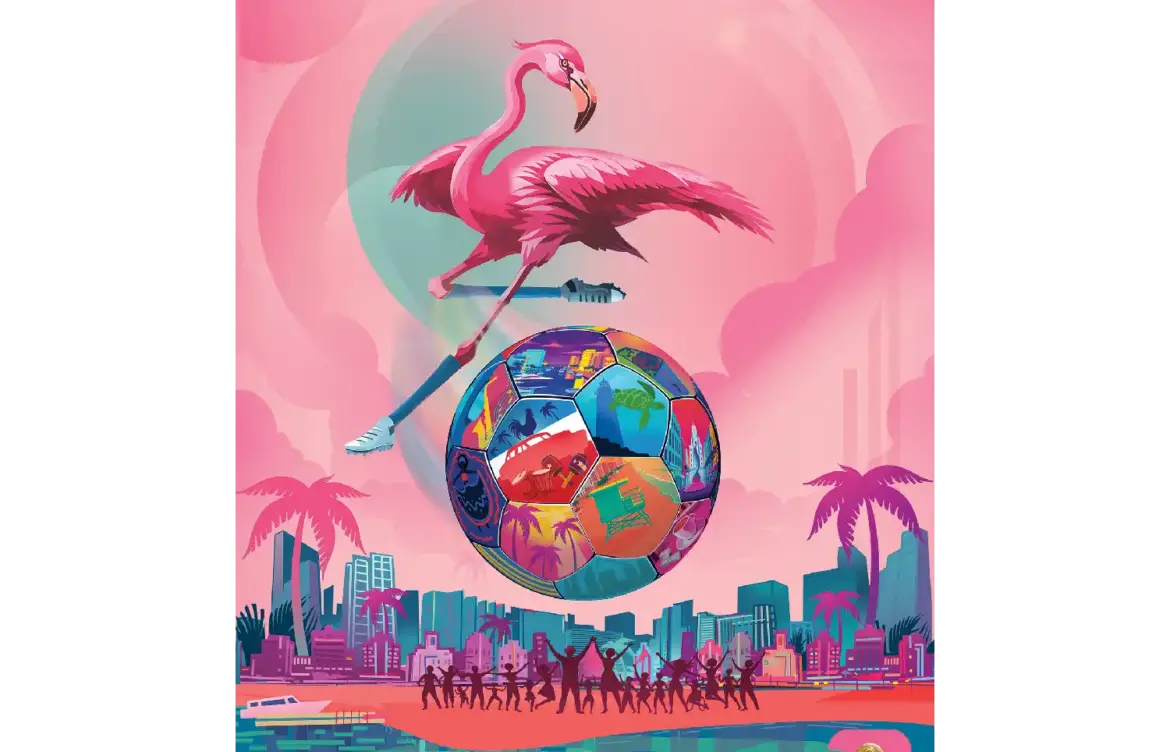
Anticipating the FIFA World Cup 2026: A North American Showcase
Introduction
The FIFA World Cup 2026 is set to be a landmark event as it brings to life the world’s most popular sporting competition across three host countries: the United States, Canada, and Mexico. This tournament will mark the first time the World Cup is hosted by three nations and will feature an expanded format, welcoming 48 teams instead of the traditional 32. With significant implications for local economies and soccer culture across North America, the 2026 World Cup stands as a pivotal moment for the sport.
Format and Structure Changes
In a historical shift, the tournament will increase from 32 to 48 teams, allowing more nations to participate in the competition and increasing the number of matches from 64 to 80. This new format entails 16 groups of three teams each, with the top two from each group advancing to a knockout stage of 32 teams. The objective is not only to enhance global participation but also to escalate the excitement and diversity of matches, making every game crucial in the group stages.
Venue Selection and Infrastructure Developments
Matches will be played in 16 cities across the United States, Canada, and Mexico, including iconic venues such as New York’s MetLife Stadium, the Rose Bowl in Los Angeles, and Estadio Azteca in Mexico City, renowned for its rich soccer history. This multi-city event is expected to boost local economies significantly—from increasing tourism to generating jobs in the hospitality and transportation sectors. Infrastructure investments are underway to prepare for the influx of fans, including enhancements to transportation systems and accommodation facilities.
Significance for Soccer in North America
The 2026 World Cup is not only a chance to showcase North American hospitality but also an opportunity to elevate soccer’s popularity throughout the region. Major League Soccer (MLS) has been expanding rapidly, and this tournament is anticipated to further strengthen the sport’s culture in the U.S., Mexico, and Canada. Community programs and youth involvement initiatives are already being developed to build a lasting legacy beyond the tournament.
Conclusion
The FIFA World Cup 2026 promises to be a groundbreaking event that will reshape the landscape of soccer within North America. With the expansion to 48 teams, enhanced infrastructure, and immense economic benefits for host cities, it is crucial for fans and stakeholders to stay updated on developments leading up to the event. As the excitement builds, soccer enthusiasts can look forward to a historic celebration of the sport, fostering unity and passion across the continent.