Analyzing the Current Trends in US Population Growth
Introduction
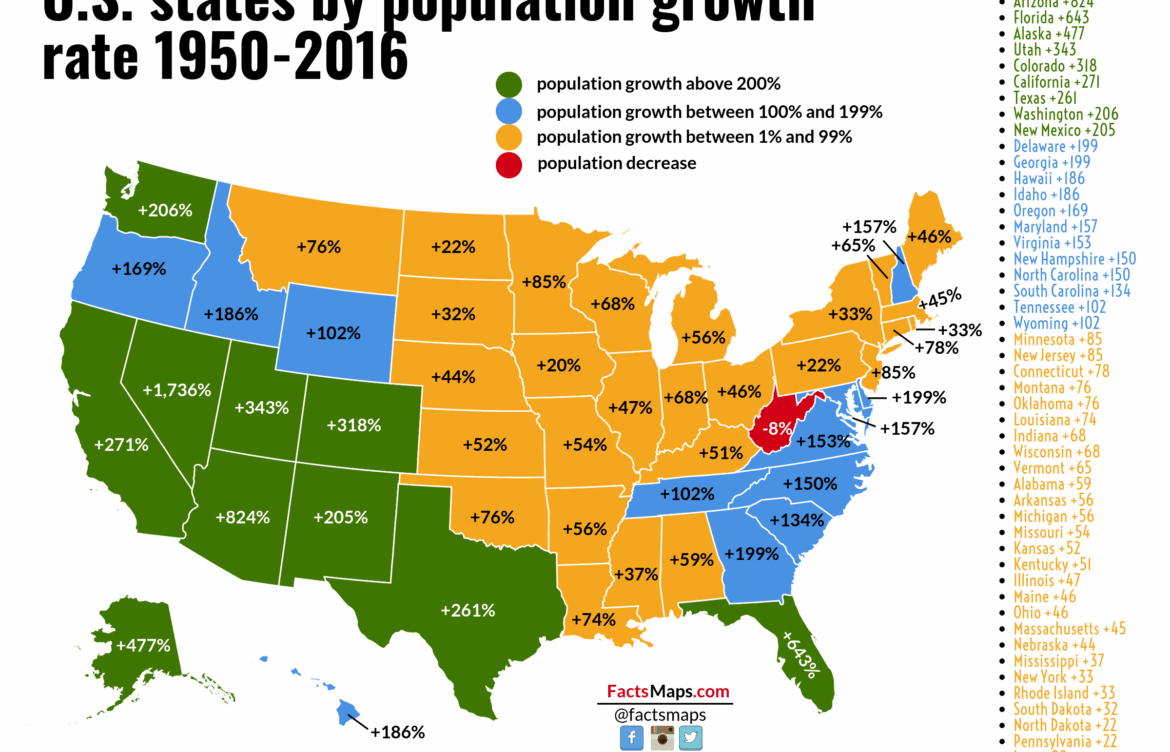
The United States population has always been a topic of significant importance as it directly impacts economic policies, social services, and national development. As of 2023, current estimates place the US population at approximately 332 million, presenting a fascinating microcosm of growth, diversity, and demographic shifts that have essential implications for the country’s future.
Current Population Trends
According to the U.S. Census Bureau, the national population has seen a steady increase, albeit at a slower rate than previous decades. The growth rate is approximately 0.1% annually, which is the lowest it has been since the founding of the country. This trend raises concerns about sustainability, economic growth, and workforce availability.
Moreover, demographic shifts contribute to these trends. The nation is becoming increasingly diverse, with significant growth in Hispanic and Asian communities. The Census Bureau projects that by 2045, non-Hispanic whites will no longer make up the majority of the population, marking a historic shift in racial and ethnic composition.
Urbanization and Migration Patterns
Urban areas continue to attract a significant portion of the population, with cities like New York, Los Angeles, and Houston experiencing substantial growth. The movement from rural to urban locations, along with internal migration trends prompted by climate change and job opportunities, will shape future urban development and infrastructure needs.
Future Implications
Understanding US population dynamics is crucial as it informs policy making in areas such as healthcare, education, and immigration. The pressure on social services and infrastructure could intensify if growth continues at its current rate. Additionally, population aging is becoming a prominent issue; by 2030, all baby boomers will be over the age of 65, necessitating a closer look at pension systems and healthcare to accommodate a larger aged demographic.
Conclusion
The trends in US population growth reflect a multifaceted interplay of factors including immigration, fertility rates, and overall societal changes. As the country moves forward, adapting to these population shifts will be vital in ensuring economic stability and social cohesion. Policymakers must recognize these emerging trends to anticipate challenges and leverage opportunities in a rapidly changing demographic landscape.