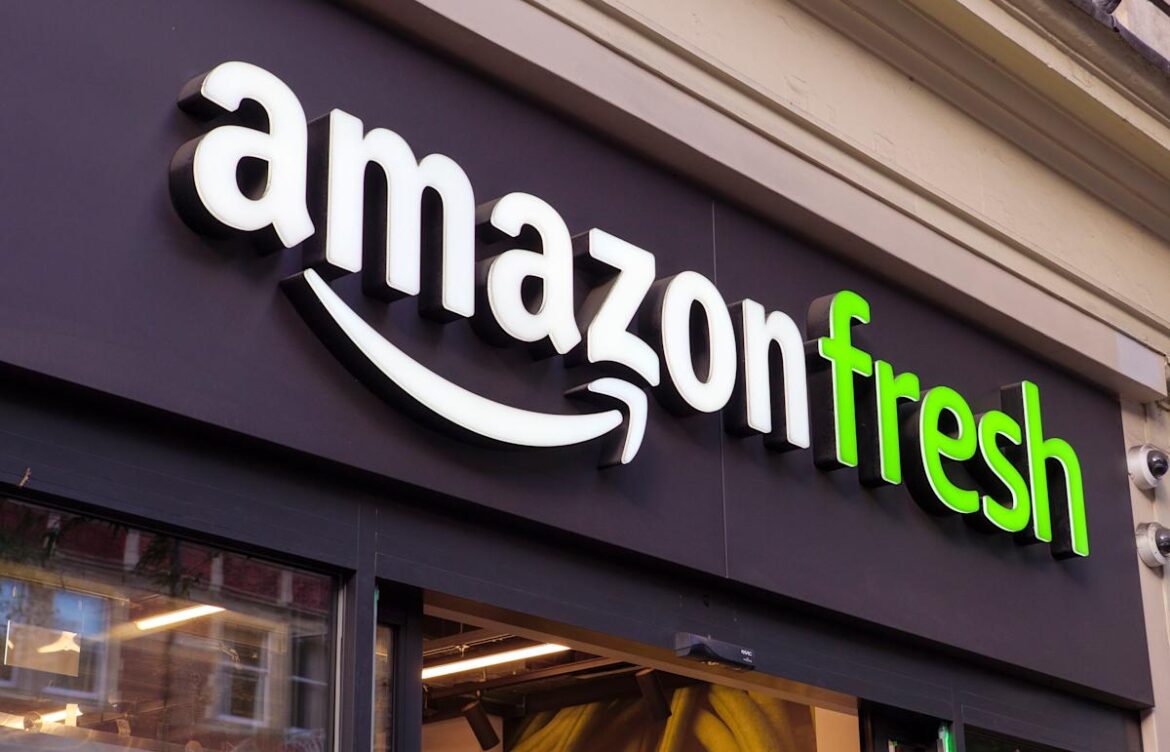
Amazon Fresh Grocery Stores Are Closing: What This Means for Customers
Introduction
In a surprising move, Amazon has announced the closing of several Amazon Fresh grocery stores across the United States. This development has raised eyebrows and sparked discussions about the future of the grocery retail market. With consumers shifting their shopping habits post-pandemic and competition intensifying, understanding the reasoning behind these closures is crucial for both shoppers and industry insiders.
Details of the Closures
The recent closures, which primarily affect urban locations in major cities, are part of Amazon’s strategic reassessment of its grocery business. According to reports, the company plans to shut down at least six Amazon Fresh stores over the next few months. Key locations impacted include stores in Chicago, California, and New York City. Amazon Fresh was launched in 2020 with the aim to integrate online and in-store shopping experiences, but operational challenges and profitability concerns have led to this decision.
Amazon stated that the closures are part of a broader strategy to streamline operations and focus on areas that yield better returns. The grocery sector has become increasingly competitive, with established players like Walmart and new entrants vying for market share. In addition, Amazon’s larger investment in Whole Foods has drawn attention away from the Fresh brand.
Impact on Customers and Community
For customers who frequented these stores, the closures could mean inconvenience as they will need to seek alternatives for their grocery shopping. Observers note that Amazon Fresh stores offered a unique shopping experience by allowing customers to order online and pick up groceries in-store. However, customers have raised concerns about the inconsistent product offerings and pricing compared to other grocery chains.
Local communities may feel the impact as well. Closure of these grocery facilities could lead to food deserts in heavily affected urban areas, especially for low-income families reliant on convenient access to fresh produce.
Conclusion
The planned closure of Amazon Fresh grocery stores certainly reflects the ongoing evolution of the grocery retail landscape. As consumer preferences adapt, businesses must find sustainable and efficient ways to meet demand. Analysts suggest that even with these setbacks, Amazon is likely to continue innovating in the grocery market, focusing on its Whole Foods brand while possibly reimagining the Amazon Fresh model for a better future. For consumers, this change could mean a mix of challenges and new opportunities in their grocery shopping experiences.