Infantino defends 2026 World Cup amid criticism
Infantino Addresses World Cup Criticism
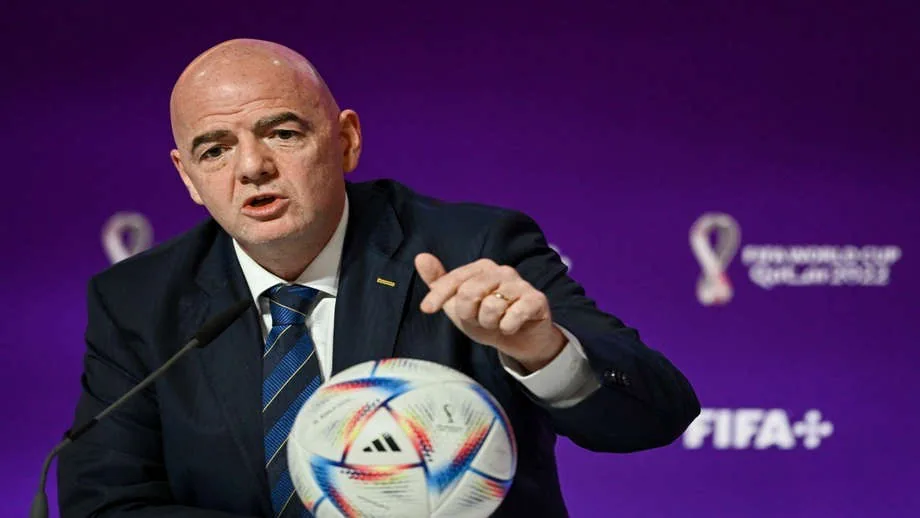
FIFA President Gianni Infantino has defended the 2026 FIFA World Cup, responding to critics regarding the tournament’s organisation and political context. In a statement released after the competition, Infantino described the event, co-hosted by Canada, Mexico, and the United States, as the most successful World Cup in FIFA’s history.
Infantino specifically addressed what he termed “hate and false rumours” from journalists and online critics, suggesting they focused on negativity rather than the positive experiences of supporters. He encouraged detractors to “meditate, pray or watch a football match” instead of spreading negativity about the governing body.
The FIFA president highlighted football’s capacity to unite people globally, noting that approximately seven million fans from over 200 countries attended matches across the 16 host cities. He asserted that the competition proceeded without significant security issues, characterising it as a celebration marked by “zero incidents, zero hostility, zero violence, just joy, emotions, happiness, unity, and togetherness.”
Defending Administrative Decisions and Unity
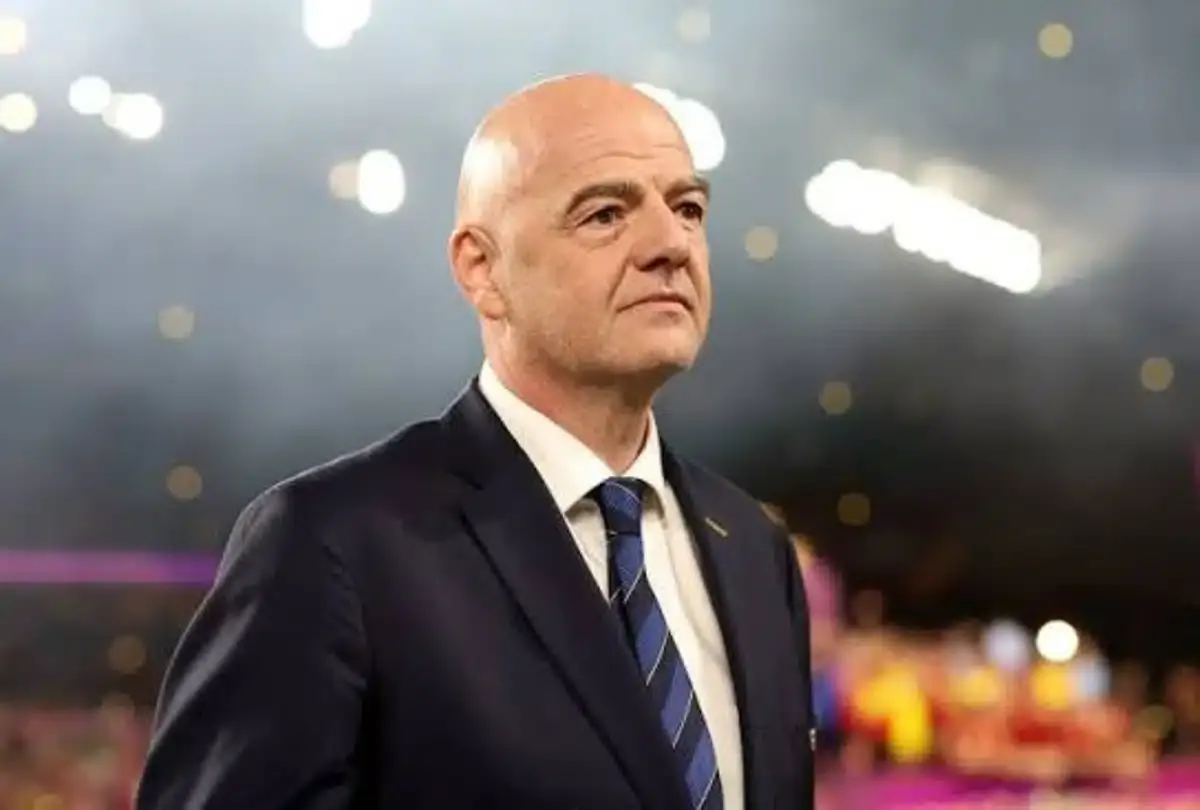
Infantino also rejected criticism concerning several administrative decisions made during the World Cup, including disciplinary matters and visa-related issues. He argued that such decisions are common in major domestic leagues worldwide and should not detract from the tournament itself. He maintained that football promotes peace and unity, not politics.
The FIFA president praised the contributions of volunteers, security personnel, local authorities, and the governments of Canada, Mexico, and the United States for their role in delivering the expanded tournament. He pointed to the participation of countries like Iran and Haiti as examples of the tournament fostering hope and solidarity.
Infantino’s comments came after various criticisms, including those from Iran’s head coach, Amir Ghalenoei, who described his team as “most oppressed” due to visa delays and travel restrictions. Reports indicated that the team was forced to relocate its training base and faced entry issues into the US for some games. Additionally, supporters from Haiti, Senegal, and Ivory Coast were reportedly affected by travel restrictions, and Somali referee Omar Artan was allegedly denied entry despite holding a diplomatic passport and a valid US visa.

Infantino acknowledged that some individuals were denied visas but emphasised that millions from around the world were approved, stating, “Because football unites the world, and it was impressively demonstrated this summer.”
Addressing Controversies and Officiating
Despite Infantino’s claims of “zero violence,” FIFA is reportedly investigating a post-match confrontation after Spain’s victory over Argentina in the World Cup final, involving Argentine players and coaching staff. Separate investigations are also ongoing into allegations of racist abuse directed at streamer IShowSpeed, and arrests were made around several fixtures, including England’s semi-final against Argentina in Atlanta.
Questions also arose regarding officiating and political interference after USA forward Folarin Balogun was cleared to play in the round of 16 against Belgium despite receiving a red card in the previous round. FIFA reportedly suspended the automatic one-match ban following intervention from US President Donald Trump. This decision prompted a strong response from UEFA, which called the move “unprecedented, incomprehensible, and unjustifiable,” and Norway’s football federation is considering lodging a formal complaint with FIFA’s ethics committee.
Infantino dismissed suggestions of political interference, arguing that similar decisions are common elsewhere. He concluded his statement by appealing to critics to look beyond controversy and recognise football’s broader social impact, stating, “Our world needs love, not hate; tolerance, not division.”
The FIFA president’s remarks follow months of debate surrounding the organisation of the first 48-team World Cup, which FIFA maintains demonstrated football’s enduring power to unite people across cultures and continents.
Source: africasoccer.com